

Pride In The Shadow Of Power: Why LGBTQ+ Americans Are Facing One of the Most Challenging Political Moments in Recent History
Since June 1969, millions of Americans have celebrated Pride Month, a tradition rooted not in celebration, but in resistance. What began as a grassroots movement against police brutality, discrimination, and laws that criminalized the LGBTQ+ community, people erupted into a historic uprising outside the Stonewall Inn in New York City. The demonstrations that followed became a turning point in the fight for LGBTQ+ rights and helped spark a movement that would transform American society.
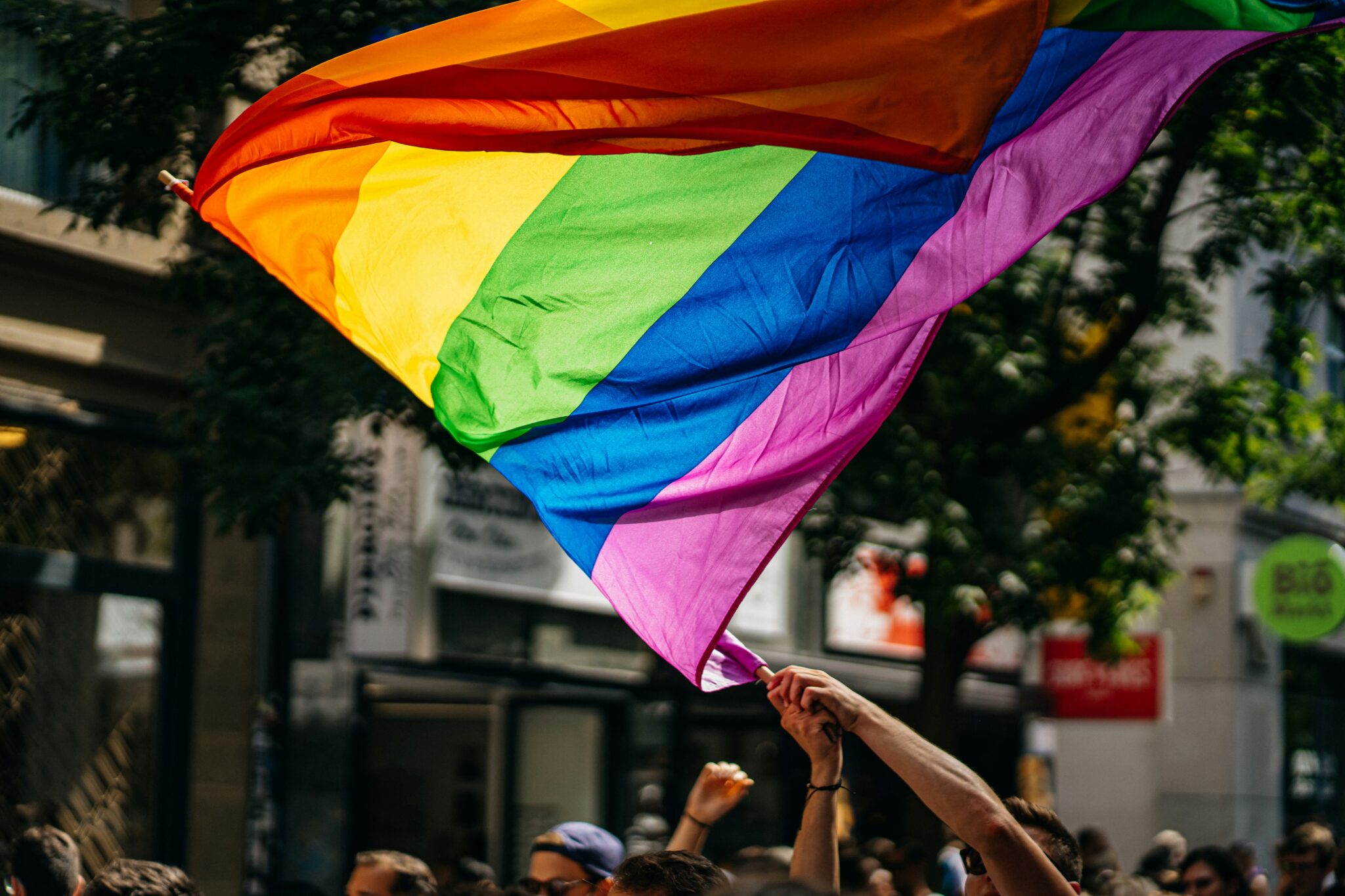
Every June, communities across the United States honor that legacy. Rainbow flags line city streets and storefronts. Pride parades fill avenues with music, color, and celebration. Families, friends, and allies gather to recognize the generations of LGBTQ+ Americans who fought for the right to live openly and authentically.
But pride is not, and has never been, solely about celebration; it is also about resistance and a reminder of the struggles that made those celebrations possible and of the battles that continue today. Behind the banners and the festivals is a stark reminder of a history of resistance against discrimination, exclusion, and efforts to deny LGBTQ+ people equal rights under the law.
As Pride Month unfolds in 2026, many members of the LGBTQ+ community find themselves reflecting not only on how far the movement has come but also on the challenges that remain. For many, this year’s celebration arrives amid growing concerns about policies and political actions that threaten hard-won protections and recognition.
Since returning to office, President Donald Trump’s administration has pursued a series of policies affecting LGBTQ+ Americans. While his supporters argue these policies restore what they believe are traditional “American values” and “biological realities”, critics of Trump’s recent policies contend that these policies represent one of the most significant efforts in modern American history to restrict federal recognition and protections for the LGBTQ+ community.
The impact extends far beyond politics. Behind every executive order, agency directive, and legal challenge are real people whose lives are shaped by decisions made hundreds of miles away in Washington.
One of the administration’s most consequential actions was an executive order directing the federal government to recognize only two sexes, male and female, in federal policies and documentation. While supporters described the order as common sense, critics saw something far different.
For many transgender and nonbinary Americans, the order signaled that the federal government no longer recognized their existence as they understand themselves. Government documents are not merely paperwork. They determine access to passports, federal programs, workplace protections, and countless aspects of daily life. For transgender Americans who have spent years fighting for recognition, the message was unmistakable: the federal government was moving away from acknowledging their identities.
In January of 2025, the administration also moved to restrict federal support for gender-affirming care for transgender youth. Agencies were directed to oppose certain forms of treatment, and federal involvement in supporting such care was significantly curtailed. The order directs federal agencies to restrict access to gender-affirming care for individuals under the age of 19 and even goes as far as to block federal funding and insurance programs.
The debate over gender-affirming care is one of the most emotionally charged issues in American politics. Advocates argue that medical decisions should remain between families, patients, and doctors. While opponents argue that minors should not receive treatments they believe have life-altering consequences.
Lost in many political debates are the young people at the center of the controversy. For transgender teenagers already facing higher rates of bullying, depression, and social isolation, public discussion often reduces their experiences to talking points. Their identities become subjects of legislative battles while their own voices struggle to be heard.
The consequences of these debates are not measured solely in court filings or policy announcements. They are felt in doctors’ offices, school hallways, and family living rooms across America.
The administration’s efforts to restrict transgender military service carried similar weight. Thousands of transgender Americans have served or sought to serve in the armed forces. Many have viewed military service as an opportunity to contribute to their country while proving that patriotism is not defined by gender identity.
By moving to ban or significantly restrict transgender service members, the administration revived a debate that many believed had already been settled. Multiple courts have challenged portions of the policy, but the broader message resonated regardless of the legal outcome.
For transgender Americans who dream of military service, the policy raised painful questions about belonging. Can a nation ask someone to sacrifice for their country while simultaneously questioning whether they deserve a place within it?
The administration has also focused heavily on transgender participation in sports. An executive order sought to prevent transgender girls and women from competing in women’s sports at federally funded schools.
Supporters argue that such policies are necessary to ensure fairness in competition. Critics argue that they target a small and vulnerable population while amplifying public hostility toward transgender youth.
The controversy extends beyond athletics. It concerns who gets to participate fully in society and under what conditions. For transgender students, sports often provide friendship, confidence, and community. When participation becomes the subject of national political battles, many young people receive the message that their presence itself is controversial.
The administration’s broader efforts to roll back guidance recognizing gender identity in federal programs and health-care policy have further deepened concerns among LGBTQ+ advocates.
Over the past decade, federal agencies have increasingly interpreted civil rights protections to include protections based on gender identity. Those interpretations helped shape policies involving health care, education, housing, and employment.
Reversing that guidance does not simply alter bureaucratic language. It changes how federal agencies respond to discrimination complaints and how institutions interpret their obligations toward transgender individuals. For many LGBTQ+ advocates, these changes represent a retreat from progress that took decades to achieve.
Schools have become another major battleground. The administration has threatened federal funding consequences for schools that support certain forms of social transition or recognize gender identity in ways that conflict with federal policy. School districts, educators, and families have found themselves navigating increasingly complex and politically charged questions.
For LGBTQ+ students, schools are often among the first places where identity, acceptance, and belonging are negotiated. Supportive environments can play a critical role in helping young people feel safe and valued.
When schools become targets in broader political conflicts, students frequently bear the consequences. Teachers face uncertainty. Parents become divided. Young people are left wondering whether the adults responsible for protecting them are engaged in a political debate rather than addressing their needs.
The administration has also terminated federal civil-rights settlements that previously supported protections for transgender students.
While these actions may appear technical to those outside the education system, they carry significant symbolic importance. Civil-rights settlements often represent commitments to address discrimination and create safer environments for vulnerable students. Ending such agreements can be interpreted by affected communities as a withdrawal of support.
For transgender students who already face elevated levels of harassment and bullying, these decisions can contribute to feelings of insecurity and isolation.
Taken together, these policies have created a profound sense of uncertainty among many LGBTQ+ Americans.
Supporters of the administration reject claims that these actions constitute discrimination. They argue that the policies are designed to protect women, preserve fairness, uphold parental rights, and maintain what they view as clear biological standards. In a democratic society, those perspectives are part of legitimate public debate.
But Pride Month is also a time to examine how political decisions affect people’s lives.
The LGBTQ+ community knows what it means to be told that their identities are controversial. It knows what it means to watch lawmakers debate their humanity. It knows what it means to hear promises that restrictions are necessary for the greater good.
That history stretches from the Stonewall uprising to the AIDS crisis to battles over marriage equality and anti-discrimination protections.
Each generation has faced its own challenges. Today’s challenges may look different, but they are rooted in familiar questions: Who belongs? Who deserves protection? Whose identity is recognized?
Pride is often misunderstood as a celebration of victories already won. In reality, it has always been about the ongoing struggle for dignity and equality.
As rainbow flags fly this June, many LGBTQ+ Americans are celebrating while also carrying fear, frustration, and uncertainty about the future. They are watching court cases unfold. They are following executive orders. They are wondering what rights and protections may change next.
Yet Pride endures because it was never dependent on government approval.It survives because generations of LGBTQ+ people refused to disappear when others demanded silence. It survives because communities continue to support one another even in moments of political hostility. And it survives because the belief that every person deserves dignity remains stronger than any single administration, election, or policy.
That is the enduring lesson of Pride: rights can be challenged, protections can be weakened, and progress can face setbacks, but the demand for equality does not vanish. It persists. It organizes. It speaks. And, ultimately, it refuses to be erased.