

Why The Met Gala Matters: Two Sides Of Glamour And Inequality
How the Met Gala Shapes Fashion, Art, and Public Discourse on Wealth, Culture, Identity, and the Power of a Single Night in Global Conversation
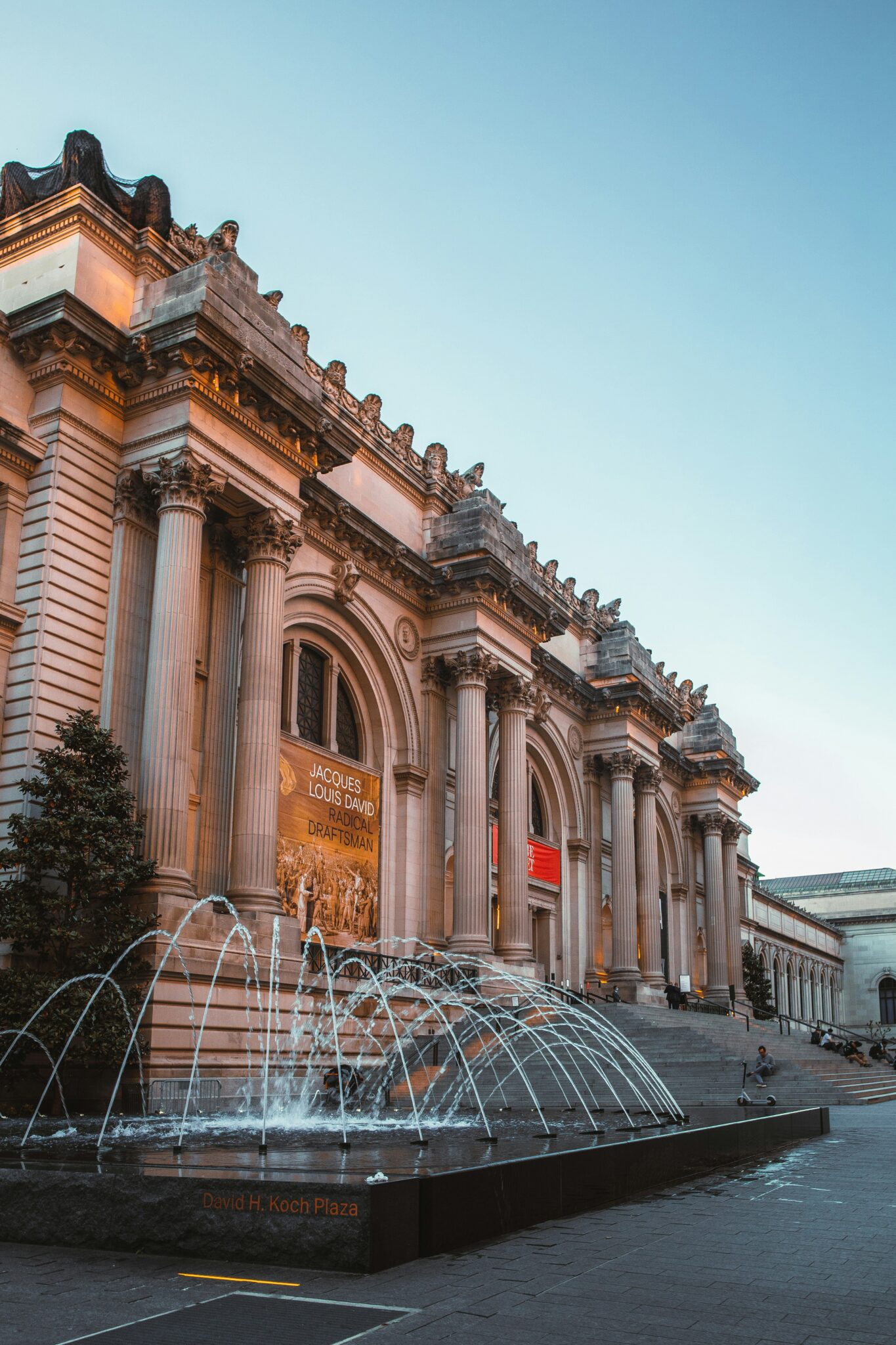
Every year in May, the Met Gala makes cultural and fashionable waves that reach far beyond New York City. What started in 1948 as a quiet fundraiser for the Costume Institute at the Metropolitan Museum of Art has become a phenomenon in the world of fashion, art, and culture.
While some view the Met as a brazen display of opulence and wealth that indicates economic inequality, it is more than that. The Met Gala symbolizes the power of creativity to transcend status and turn clothing into storytelling.
The Gala’s transformation did not happen overnight. In its early years, Eleanor Lambert organized it as an understated gathering of New York’s elite to support the museum. It did not become a major cultural event until Diana Vreeland reshaped it in the 1970s, when she introduced themes that connected fashion to art and history. Today, under Anna Wintour, it stands as one of the most exclusive and widely watched events in the world.
Beyond the red carpet spectacle lies its deeper importance. The Met Gala serves as the primary source of funding for the Costume Institute, generating millions each year. Those funds allow the museum to preserve garments, curate exhibitions, and treat fashion as a serious academic and artistic discipline. Without it, many exhibits that explore global cultures, craftsmanship, and identity through clothing would not exist.
On an emotional level, the Met Gala resonates with many people because it captures the culture and creativity that fashion and art offer. It transforms clothing into something deeply human. Each year, a carefully chosen theme sets the tone and challenges attendees to interpret it through designs created by visionary artists and designers who have shaped the fashion world.
What makes this especially powerful is the storytelling behind every look. A dress at the Met Gala is never just a dress. It can reference centuries of history, challenge social norms, or celebrate cultural heritage. Over time, the Gala has evolved from Eleanor Lambert’s original vision into a global stage where creativity pushes boundaries, later shaped by Diana Vreeland and elevated into a worldwide spectacle under Anna Wintour.
On the other hand, critics have increasingly challenged the Met Gala, especially as Americans grapple with economic strain and limited access to resources. The event highlights economic disparity on a significant scale. While it celebrates fashion, design, and art, it also exposes the gap between the wealthy elite and everyday working Americans.
A single seat at the Met Gala can cost about $100,000, more than many Americans earn in a year. A table can cost around $350,000, and attendance remains strictly controlled. Those costs and the exclusivity of the event often feel disconnected from everyday realities in a time of widening inequality.
Critics argue that while the Gala raises vital funds for the Metropolitan Museum of Art, it also reinforces a system in which art and culture depend on and often cater to the ultra-wealthy. That tension raises questions about whether the celebration of creativity gets overshadowed by displays of privilege, especially during a period of growing economic disparity.
The controversy has intensified with the involvement of Jeff Bezos in the 2026 Met Gala, where he served as a major sponsor. As the founder of Amazon, Bezos has faced ongoing criticism over labor practices and working conditions, which makes his presence at the event especially polarizing. For many critics, his involvement reflects concerns about the influence of billionaires on cultural institutions and raises questions about whether financial power shapes artistic spaces. The backlash, including public criticism and calls for boycotts, shows the Met Gala now extends beyond fashion and serves as a stage for debates about wealth, power, and social responsibility.
Ultimately, the Met Gala exists in a space of contradiction where admiration and criticism coexist. It celebrates creativity while also reflecting the inequalities that shape access to art and culture. The same event that funds exhibitions and preserves fashion history at the Metropolitan Museum of Art also highlights the influence of immense wealth, especially in moments like the 2026 Gala and the involvement of Jeff Bezos. Rather than standing as one or the other, the Met Gala forces a larger conversation about who participates in culture, who funds it, and what that means for society. In that tension lies its significance: not just as a night of fashion, but as a reflection of the world’s beauty, imbalance, and ongoing change.