

Jazz Star Terri Lyne Carrington Releases a Pair of New Singles
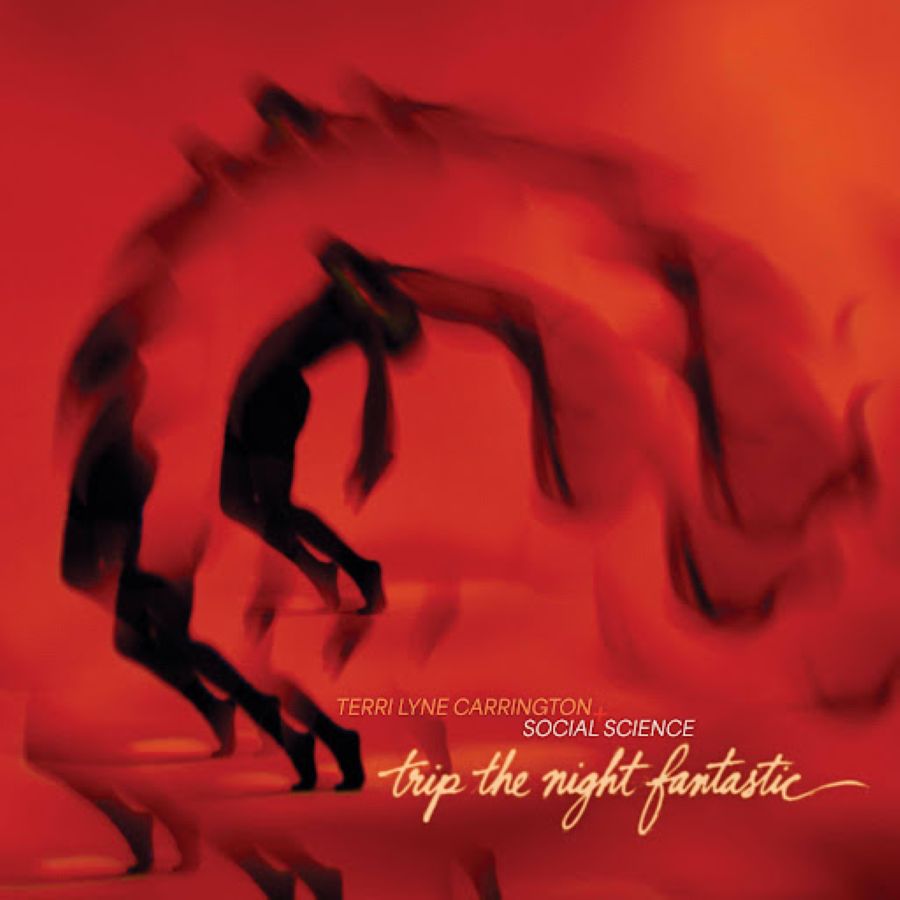
“Dope. Unique. Relevant.” That’s what Terri Lyne Carrington told The Garnette Report when asked to describe her musical style. On Friday, June 19th, she, along with her GRAMMY-nominated ensemble Social Science, released a pair of new singles: “Abolition Song” and “Solidarity Song”. The group works to blend jazz, hip-hop, R&B, and indie rock to address social justice issues and systematic racism. Both songs are in honor of Juneteenth, which is celebrated across the country by African Americans to commemorate the end of slavery. The pair of tracks will feature on her newest album“Trip the Night Fantastic” out July 31st.
“Abolition song” centers around equality for all and rejects classic capitalist individualistic ideas. It draws on Fannie Lou Hamer’s powerful phrase: “Nobody’s free until everybody is free.” It’s about loving one another and realizing that every person deserves to have a voice. Carrington is looking for the system to become obsolete; In other words, she’s asking America to Wake Up! Reject the hatred, reject the greed and love one another
The song asks, ‘Where is the love?’ Carrington is wishing for that love and a better world , just as she told TGR, “I think musical and artistic expression should paint the world we want to live in. I would love to live in a society where we all our valued, and all have a chance to contribute meaningfully to society, with not having to struggle to meet their basic needs.” ’This isn’t just a song to vibe to, it’s music with a meaning. It’s music that will span the test of time.

But ‘Solidarity song’ is different. It’s a change of pace from Carrington’s normal musical style and she knows it. She told TGR,” It’s so different in comparison to the rest of the album. It is blues-based and a little bit country, too. Most people are not expecting that from us musically and when we play it live, it tends to get a great response.” The track is framed around a moody conversation between a black woman, played by legendary R&B singer Miki Howard, and white man played by GRAMMY-nominated jazz musician Larry Goldings.
The songs is a parody for an argument between the American ‘right’ and ‘left’. In the end, both characters come together and split the difference; they realize they’re stronger together and their disagreements should be resolved to create a better tomorrow. Carrington wishes to unify America and realize we all have a shared enemy she tells TGR, “I want people to think about how the things being fed to us through media or the government can be distractions and deterrences from a unification of the majority working class, where there is commonality regarding economic issues and other struggles.“
The 13-track album titled “Trip the Fantastic” will release later this month on July 31st. Carrington + Social Science are set to perform on August 1st at the Newport Jazz festival in Newport, RI.
Featured Photo By: Meredith Truax
Interview Q+A With Terri Lyne Carrington
Q: If you had to describe your musical style in 3 words, what would they be?
A: Dope. Unique. Relevant.
Q: At just 11 years old, you received a scholarship from Berklee. Talk about that experience. How has that shaped you as an artist?
A: It allowed me to go and be a part of the environment there from young age and meet a lot of amazing musicians, many of whom are part of the fabric of shaping jazz today. I’d say it gave me a jumpstart with exposure, confidence, and competence. It allowed me to have a strong foundation, musically, and to make important and long-lasting relationships.
Q: From being an in-house TV drummer in the 80’s to winning a GRAMMY Award to founding the Berklee Institute of Jazz and Gender Justice, you’ve done it all. To what do you credit your evolution and career success? How do you balance it all?
A: I credit my career success to being a perfect storm in many ways. I come from a family of musicians, being a third generation musician. And because of their relationships, I had access that a lot of young musicians don’t have. This brought me opportunities at a young age. Of course, I had to back it up with talent, but it was easier for me to get through some doors due to my father‘s relationships. Also, I had great mentors with Jack DeJohnette and Wayne Shorter. They helped me to keep an open mind about music and about the possibilities for my own evolution and the evolution of the art form. I try to maintain expansive thinking regarding my own projects as well as teaching others. I also remain curious and try not to rest in comfort zones. I do a lot of different things so balancing it all is not the easiest, yet balancing the many facets of life in general is crucial. I am a work in progress.
Q: Why does every song on the new album have the word “song” in it? Is there a reason behind this?
A: There is no profound reason behind it. It just so happened that a couple of songs were titled like that and then I thought to make a theme of it. “Abolition Song.” “Climate Song,” and “Pet Song” all started that way and we just continued with it.
Q: What do you hope listeners get out of both “Abolition Song” + “Solidarity Song”?
A: For “Abolition Song” I hope that people can examine how they feel about third wave abolition and start to imagine a society that focuses a lot less on punitive justice. The song is simply based on the idea that if everyone has what they need in life to both survive and thrive, then we would not need such a system. I think musical and artistic expression should paint the world we want to live in. I would love to live in a society where we all our valued, and all have a chance to contribute meaningfully to society, with not having to struggle to meet their basic needs. The idea that no one is free until everyone is free speaks to collectivism versus individualism. With a capitalist and individualistic mindset, attachment to things like money and power can be difficult to overcome. These kinds of attachments have not acted to build society, but have consistently been harmful.
For “Solidarity Song” I want people to think about how the things being fed to us through media or the government can be distractions and deterrences from a unification of the majority working class, where there is commonality regarding economic issues and other struggles. The song is a parody with the underlying message of unification and solidarity.
Q: How are the two songs different, and how do they define you as an artist?
A: They don’t define me as an artist. I’m not locked into doing any one thing in particular. I believe in freedom in all ways, including artistic freedom. I have been known to speak my truth and speak on social justice issues, so they fall in alignment with that. The songs are very different, addressing two different topics. But how they are similar is in the fact that people trying to control and disenfranchise, folks probably won’t like them.
Q: What song are you most excited for fans to listen to on ‘Trip The Night Fantastic’?
A: I would have to say “Solidarity Song” because it’s so different in comparison to the rest of the album. It is blues-based and a little bit country, too. Most people are not expecting that from us musically and when we play it live, it tends to get a great response.
Q: How does collaboration play a part in your musical style and approach? What was it like working with Social Science, Angela Y. Davis, Kassa Overall, and Debo Ray?
A: Collaboration is key for success in general, but when you have a band, you truly have to know how to collaborate in ways that everyone’s strengths are highlighted. That’s actually the reason I started this band, because I was a bit tired of relying solely on my own artistic inventions. Aaron Parks, Matthew Stevens, and Morgan Guerin are wonderful collaborators and we wrote a lot of the music together on the album and then when there are guests on tracks that’s another kind of collaboration, where I basically ask people to either send me specific things – like the quotes from Angela Davis – or ask them to overdub their voice or instrument on a track. The important thing is matching the guest to the music properly, in a way they can really hear themselves on the track and really shine. So it’s curation that matches your artistic vision. I’ve been very happy with all the collaborations for Social Science.