

Fashion First: Addressing Racism Within The Fashion Industry
The fashion industry is a monolith filled with many complexities and nuances which permeate our society. As times and trends change, beauty standards adapt to remain contemporary or even shape the future of the industry. One aspect that has been slow to change, however, is the underlying discrimination that seems to be ever present within an industry which touts inclusivity.
Whiteness or Pale skin has, for centuries, been a defining attribute of what is considered to be the standard of beauty. Oshiroi was white paste utilized by the Geisha of Japan during the Edo period in order to accentuate their features in candle light. However, it was also considered a symbol of “nobility”, “elegance” and “beauty”. Likewise, mineral powders, starches and even toxic materials were used during the Victorian Era in Europe to achieve the same result. Though the time periods and geographical origins differ, the message associated with the trends remains the same. And those trends are still circulated within the industry, albeit in more subtle forms.
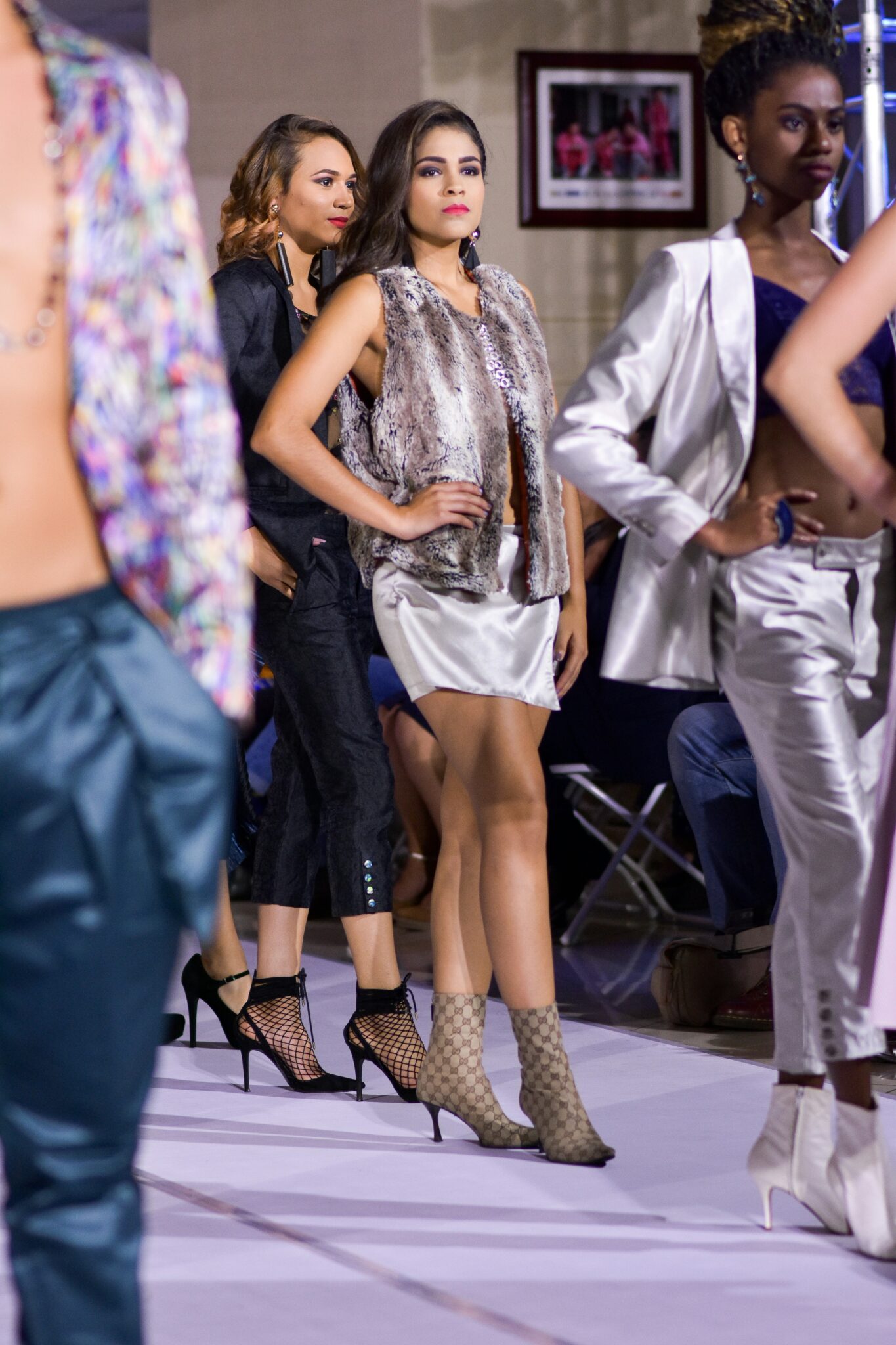
In 2010, a census conducted by Zippia on the demographics of Runway models within the US. It revealed that 68% were classified as White making up the vast majority. Meanwhile, the remaining percentages are broken up between Blacks or African Americans (13%), Hispanic or Latino (11.82%) and Asians (4.40%). The same company has been continuing its yearly workforce census with 2021 being their most recent data set. Over the span of a decade, the disparity between the leading group and the others has shrunken slightly. In 2021, 56% of models were White or Caucasian, 17% were Black or African American, 7% were Asian, and 12% were Hispanic or Latino. While the gap is narrowing slowly but surely, there still remains much to be desired when it comes to properly remedying the inequalities that persist.
White models still not only have the advantage when it comes to exposure within the industry, but also receive better wages as well. Zippia goes on to list their most recent comparison of the average earnings between models of different races. While Caucasian models top the charts by bringing in an annual salary of $155,000 and above, African Americans or Black models are at the bottom of the list at around $110,000 for the same occupation.
Naomi Campbell, the first Black model to ever be featured on the cover of French Vogue and a fashion icon who paved the way for many Black models, was interviewed by CNN in 2021 regarding her experiences during her early career. She recounted many of the ups and downs she faced, ranging from not being booked for certain shows because of her skin color to bringing her own makeup to photoshoots just to make sure she was wearing the right shades for her photos. However, she also spoke about the support she received from figures such as Linda Evangelista and Christy Turlington who ensured that space was made for her within the industry. Campbell states during her interview, “If my career has taught me anything, it’s that you can always turn prejudice around. That you should never give up. Racism is just ignorance.”
Sources
- Campbell, Naomi. “Naomi Campbell on Fighting Racial Prejudice in Her Early Career.” CNN, Cable News Network, 7 Jan. 2021, www.cnn.com/style/article/naomi-campbell-taschen-book.
- “Models, Demonstrators, & Product Promoters.” Data USA, datausa.io/profile/soc/models-demonstrators-product-promoters?gender-options=sex2&races-filter=shareR. Accessed 1 Oct. 2026.
- “Runway Model Demographics and Statistics in the US.” Edited by Zippia Team, Zippia- The Career Expert, www.zippia.com/runway-model-jobs/demographics/. Accessed 1 Oct. 2026.