


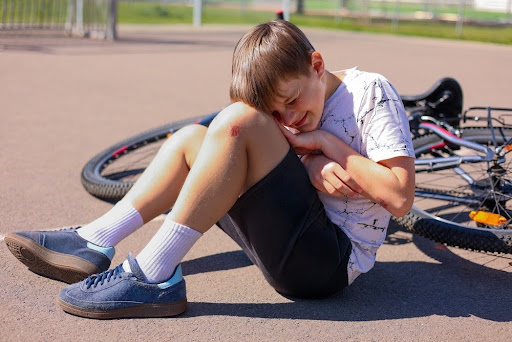
How the Cause of a Bicycle Accident Can Affect the Legal Process
A bicycle crash can begin with one simple fact, but its cause often decides how complicated everything becomes afterward. A driver may fail to yield, a road may be unsafe, or a bicycle part may fail without warning. Each cause points toward different records, people, and questions that may need review.
The common causes of bicycle accidents matter because identifying what started the collision can shape the evidence and the parties involved in a legal claim. A clear cause does not always settle a case, though. Sometimes the real challenge begins after investigators start connecting the available facts and records.
Why the Cause Matters to the Legal Process
The cause gives investigators and legal professionals a starting point for reviewing a bicycle accident. A collision involving a careless driver may require traffic records, witness statements, photographs, and video footage. A crash linked to a damaged road may require information about road conditions and maintenance instead.
The cause can also affect which people or organizations become part of the review. Some accidents involve only a cyclist and driver, while others may raise questions about a business, contractor, public agency, or product maker. Each situation is different, so the available facts need professional review before conclusions are reached.
Causes That Can Make the Process More Complex
Driver Actions
Drivers may fail to notice cyclists because of distraction, unsafe turns, speeding, failure to yield, or poor attention near intersections. If a driver’s actions are questioned, investigators may examine statements, vehicle damage, camera footage, and other records. These details can help create a clearer account of how the collision happened.
Unsafe Road Conditions
Potholes, loose debris, construction areas, poor signs, and damaged road surfaces can contribute to bicycle crashes. These cases can be harder to review because questions may arise about the condition of the road and available maintenance records. Photographs and other records may become especially important if the road changes after the accident.
Bicycle or Equipment Problems
A failed brake, damaged tire, broken frame, or another equipment problem may change the direction of an accident review. The bicycle itself may need careful inspection, along with repair records or information about the part involved. Technical questions usually require qualified professional analysis instead of assumptions.
These common causes of bicycle accidents show why two collisions that appear similar at first can involve very different evidence and legal questions.
Evidence Changes With the Cause
Evidence becomes more useful when it helps explain the specific issue being examined. For a collision involving a vehicle, useful material may include photographs, witness accounts, police reports, dashcam recordings, or nearby security video. Medical records can also document injuries connected with the collision.
A road condition case may place greater attention on photographs of the surface and available maintenance information. An equipment-related case may focus more closely on the bicycle, damaged components, service history, and specialist inspection. Collecting information with the cause in mind can help create a more organized record of the accident.
Responsibility May Involve More Than One Party
Some bicycle accidents may involve several possible sources of responsibility. A driver could be involved while another issue, such as a road hazard, may also have contributed to the collision. An accident involving a commercial vehicle may bring additional business and vehicle records into the review.
That does not mean every person or organization connected with an accident is responsible. Responsibility depends on the facts and applicable law, so professional assessment is needed. Identifying the cause mainly helps determine which actions, records, and parties deserve closer examination.
Practical Ways to Keep Important Information Organized
Good records can make a complicated accident review easier to follow. Useful steps may include:
- Keep accident reports and insurance correspondence together.
- Save photographs of the bicycle, vehicle, road, and damaged property.
- Keep medical records and bills related to treatment.
- Record available contact details for witnesses.
- Preserve repair documents for damaged bicycle parts.
- Keep copies of relevant messages and claim documents.
These records do not establish responsibility by themselves. They simply preserve information that qualified professionals may need to examine as part of a broader review.
How Legal Support Can Help
An attorney can examine available records, identify information that may require further review, communicate with insurers, and organize evidence around the reported cause. If technical questions arise, appropriate professionals may also examine matters such as vehicle movement, road conditions, or equipment failure.
Legal support can become especially useful if accounts conflict or several parties are connected with the accident. Rather than relying on one report or assumption, a structured review brings different records together and helps keep attention on documented information.
The Cause Sets the Direction
A bicycle accident is not defined only by the damage visible afterward. The event that caused it can influence the evidence collected, people involved, insurance questions, and amount of investigation required. Looking carefully at the cause provides useful context, but general information cannot determine the outcome of an individual legal claim.
If the cause remains disputed or several factors appear connected, professional review can help place the available records in context. A careful process keeps attention on evidence rather than guesses, giving everyone involved a clearer picture of how the accident occurred and why its cause matters.