i-D Reframes Beauty With Tyla At The Center Of Identity and Self-Definition
i-D Magazine is betting on beauty, not as an industry, but as an identity.
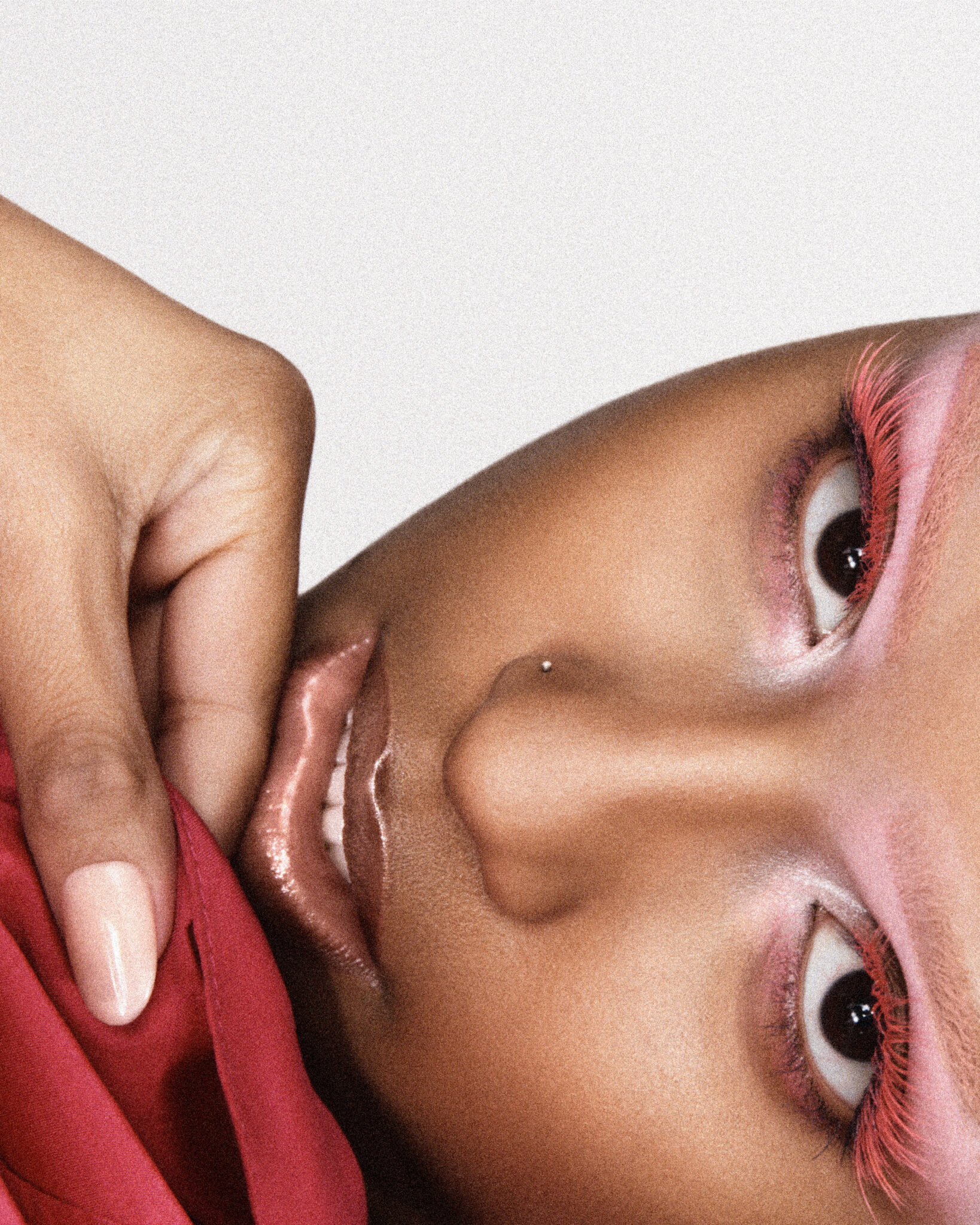
This week’s launch of its first-ever beauty zine is a pivot and a natural evolution for a publication that has always treated style as something lived. Led by a cover story featuring Grammy Award-winning singer Tyla, the project delves into a conversation that fashion media has often circled but rarely fully committed to: beauty as something inherited, contested, and constantly redefined.
Tyla is a fitting focal point. Her rise in the industry has been fast but not without substance, the kind of momentum built on cultural resonance rather than algorithmic accident. When she speaks about beauty, it doesn’t come packaged as brand language. It’s personal, shaped by memory and environment. Growing up in a mixed family in Johannesburg, she describes seeing “all different shades of beauty,” a perspective that isn’t just a talking point but a foundation.
That grounding shows up in how she navigates fame. In an era where image control has become almost compulsive, her resistance stands out. She openly rejects the digital smoothing of her body and face, calling out edits that erase what she considers essential individuality. It’s a tension that defines modern beauty culture: the tools to perfect are everywhere, but so is the cost of overcorrection.
i-D’s timing here is purposeful. The beauty conversation has shifted beyond products and trends into something more layered: identity, politics, ownership. The publication’s recent Lore Issue hinted at this direction, exploring the narratives people inherit and reshape. The beauty zine builds on that, asking what it means to see yourself clearly in a world that constantly adjusts the image.
There’s also a quiet recalibration happening in how beauty is distributed. i-D isn’t limiting this to print. The expansion across platforms like Substack, YouTube, and digital editorials signals an understanding that beauty culture now lives in fragments, shaped as much by community voices as by editorial authority. It’s less about dictating standards and more about creating space for these societal standards to be questioned.
Tyla’s reflections on social media underline that shift. The pressure to be “perfect,” she notes, is relentless and unrealistic. It’s a familiar critique, but coming from someone actively navigating global visibility, it lands differently.
“Social Media Will Really Make You Feel Like You Need To Be Perfect, Which Is So Unrealistic. There’s So Much Beauty In Imperfection…” The singer stated. There’s a sense that perfection, as traditionally defined, is losing its grip, not because the industry has rejected it, but because individuals are. Authenticity and individuality have become the new standard.

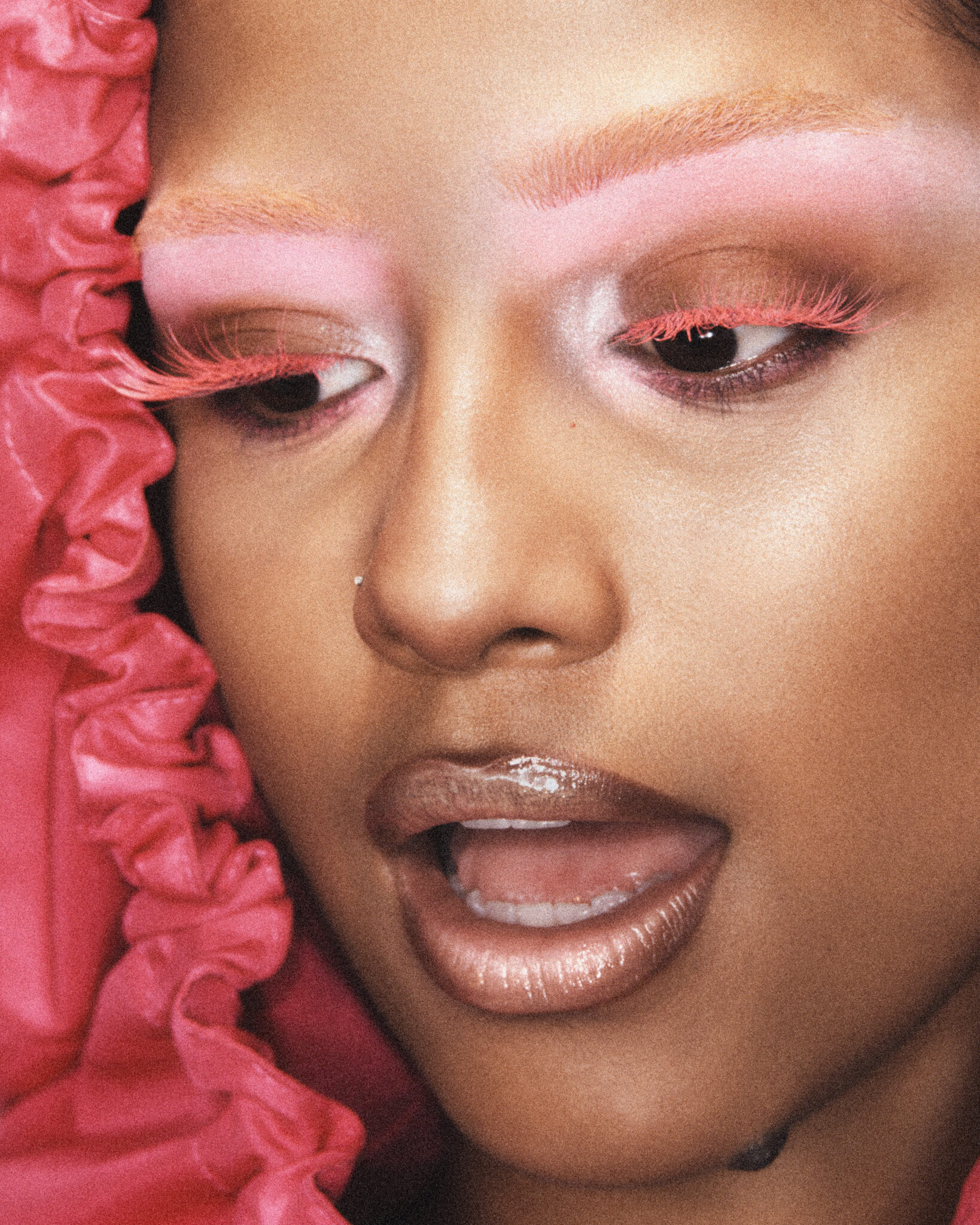
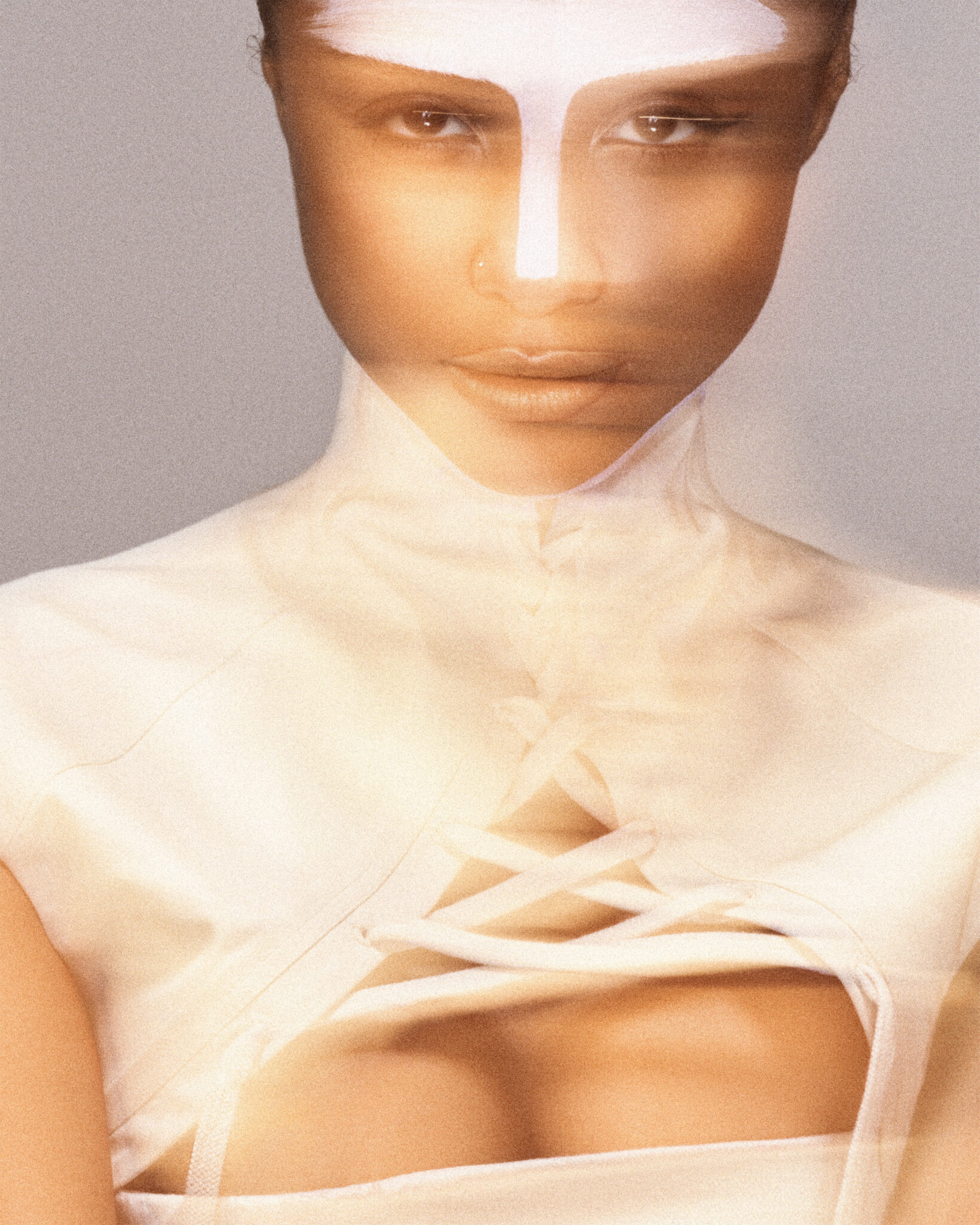
What makes this launch compelling isn’t just the subject matter, but the tone. There’s no heavy-handed manifesto here. Instead, it’s a series of perspectives, among them Tyla’s, that collectively suggest a broader rethinking. Beauty isn’t being discarded or rebranded; it’s being reclaimed in smaller, more personal ways.
For i-D, a publication rooted in subculture and self-expression, this feels aligned with its DNA. The zine format itself is a nod to its origins, but the content is firmly contemporary. It recognizes that beauty today is more about recognition, seeing yourself on your own terms, without the need for correction.