
Sophie Lloyd Reimagines Maria Rowe’s “Sexual” & Carlton’s “Do You Dream”
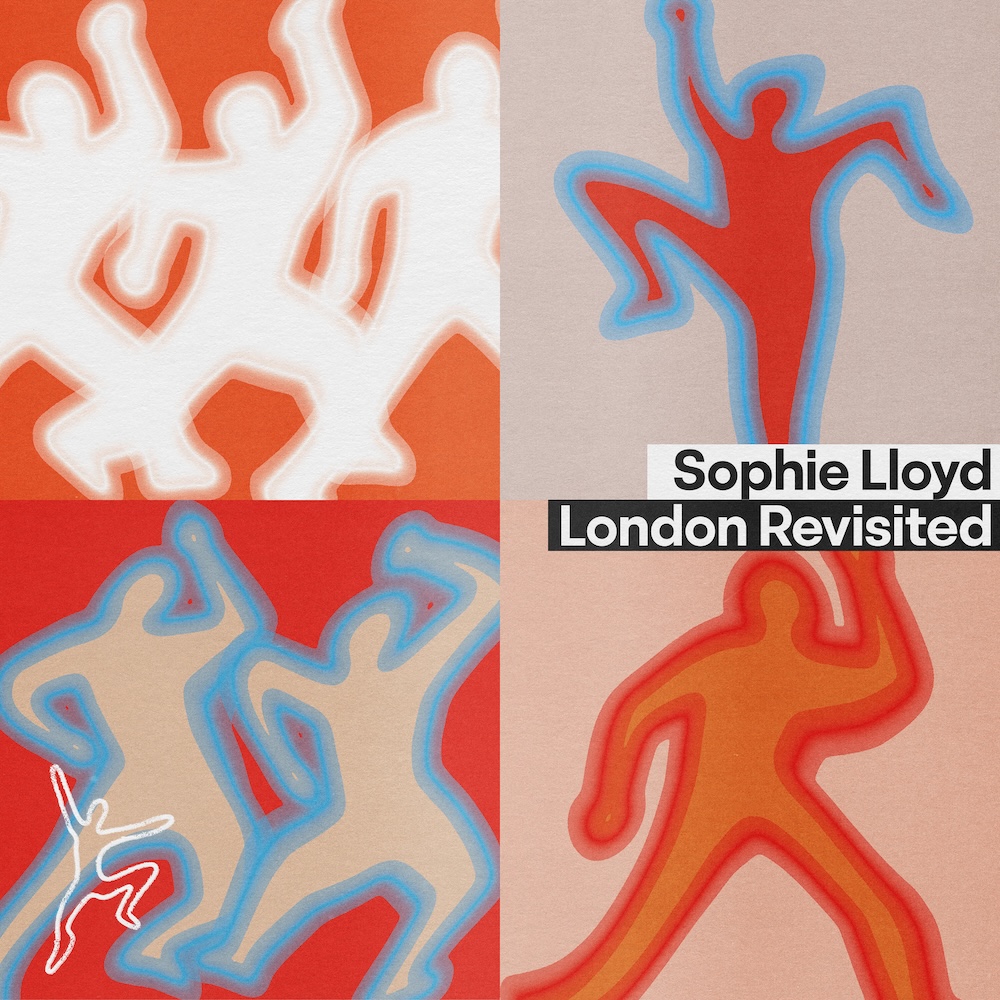
Sophie Lloyd has been given the keys to the London Records archive with a brief that sees her reimagining a selection of deep cuts for her new London Revisited EP. The first two tracks “Sexual” by Maria Rowe and “Do You Dream” by Carlton are out now.
Music doesn’t stand still: that’s the message iconic label London Records is sending with their new London Revisited project. Featuring fresh edits of deep cuts that have been hand-picked by Sophie Lloyd from their archive, Maria Rowe’s “Sexual”, and “Do You Dream” by Carlton are the first to drop, with East 17’s “It’s Alright”, Carmel’s “More! More! More!” still to come later this summer.
London Revisited will be a four-track compilation that sees Sophie Lloyd given unfettered access to the label’s extensive back catalogue and complete creative freedom to reimagine some of the more elusive B-sides and rarities. With digital singles released throughout the summer, the full EP will be available on vinyl September 18.
Describing the project, London Records’ Nick Fagg explains “London Revisited reflects the enduring strength of the label’s catalogue, bringing together records that occupy distinct but equally important places in British music history.”
“Rather than choosing some of the more “obvious” tracks from the catalogue, Sophie has chosen some real gems from artists that didn’t get as much of the spotlight as they deserved, particularly from genres that London was lesser known for like soul when most of our output was pop and dance.”
A collaboration that isn’t tied to an anniversary or milestone, Sophie’s invitation to put these tracks in front of a new audience was one based solely on a mutual respect for the art itself. A long-term Glitterbox resident, Sophie’s house and disco credentials precede her, along with her standout hit “Calling Out.” “It was literally a DREAM project working with a label as iconic as London Records and being given the privilege to access their enormous back catalogue” she explains, “it filled me with a huge amount of excitement but also much trepidation as I wanted to get it right”.
That self-imposed pressure to manage and respect the legacy of the original artists and their work is something that sits at the heart of the project, Sophie explains: “there’s always the worry that the original artists don’t want their songs touched or altered… And that the fans want their much-loved music left well alone. So, I think as a remixer you have to be very sympathetic to that and either try and enhance the original with subtlety, or change up the original song entirely with a full rework on the production so that the song becomes an entirely different entity.”
This careful approach to production is reflected in the results – edits that still carry the energy of their original versions, but in a form that fits the dancefloors of 2026. Like many other ravers, Maria Rowe’s “Sexual” already held a special place for Sophie via Graeme Park’s 1995 remix, and her own 2026 edit serves to continue the original’s storied legacy with a version that she hopes “captures that same sexiness.”
Not every track needs a complete reimagining, and Carlton’s “Do You Dream” sits closely to the original iteration – “I loved the original version and didn’t want to change much” Sophie explains, “just the 909 bass line and added some triton string pads which were very much a sound of that time anyway. This was more of a subtle reimagining, using most of the original drum stems, adding a few touches, streamlining a bit and creating an updated version.”
Teasing a bigger vision for the project, these are edits that have been approached with care and respect – versions that capture the energy and cultural weight of the originals but presented in a way that will connect authentically with a new generation. The intention of both Sophie and London Records isn’t to reboot and remake, it’s to revisit. To treat the original tracks with the respect they deserve, highlighting their cultural significance and the creative influence that they have had on today’s artists, and allowing audiences to discover London Records’ historic catalogue for what might be the very first time.