
An Interview With Mozambo
Mozambo and Antdot revisit a modern soul classic with “Wish I Didn’t Miss You”. Built around warm bass movement, soft percussive layers, and restrained melodic phrasing, the record leans into afro and deep house textures without crowding the vocal center.
What first got you into music?
For both of us, it started quite early but in different ways. Guillaume was already playing piano with a more classical background, while Alexis discovered music more independently through guitar and listening to a lot of records at home.
At the beginning it wasn’t really about electronic music. We were listening to rock, disco, funk, many different styles. Then, as teenagers, we discovered electronic music at the same time, especially the French Touch scene. That moment was important for us. It opened a new world and made us want to understand how music was made, how we could create something ourselves.
From there it became a real passion, first experimenting, then producing, then DJing. It all grew quite naturally.
How did Mozambo come together?
We met at school when we were quite young and we immediately connected through music. At first it was just sharing tracks, discovering artists, spending time listening together.
Little by little we started experimenting on computers, recording small ideas, trying to produce without really knowing what we were doing. Over time it became more serious. We realised we had a similar vision and a strong connection, both musically and personally.
Mozambo wasn’t something that happened in one moment. It built slowly over the years, until it became obvious that we wanted to do this together.
How would you define your sound right now?
It’s always a difficult question for us because our sound keeps evolving, but today we feel more aligned than ever with what we are doing.
There is a strong emotional aspect in our music, something quite melodic and atmospheric, but also rooted in rhythm and club energy. We are very influenced by Afro, Latin and Brazilian elements, but we try to keep everything quite refined and balanced.
More than a genre, it’s really about a feeling. Something warm, emotional, and made for people, whether it’s in a club or in a more intimate moment.
What artists or scenes have influenced you most?
There are many influences, and they come from different periods. We grew up with the French Touch scene, with artists like Daft Punk or Cassius, which had a big impact on us early on.
We are also very influenced by disco, soul and early house music. That period has something very pure in the way music was made.
And of course Brazil has been a huge influence for us, both musically and culturally. Spending time there, discovering samba, MPB, and the local scene, really shaped our sound and our approach to music.
When did you first discover “Wish I Didn’t Miss You” by Angie Stone?
It’s a track we’ve known for a long time. It’s one of those records that stays with you, even if you don’t remember the first time you heard it.
But the moment it really came back into our lives was a few years ago in Ibiza. Hearing it again there, in that context, made us reconnect with it in a deeper way.
What made you want to reinterpret this track?
At first it was very simple. We wanted a version we could play in our DJ sets.
We love the original so much, but we felt like we could create something that would work in our universe and in the clubs where we play. There was also a strong emotional connection to the track, and a sense of nostalgia linked to Ibiza and the history around it.
So it started as something very personal, almost just for us, and then it grew from there.
How did you approach keeping the original’s emotion intact?
For us, everything started from the vocal. Angie Stone’s voice carries so much emotion that it naturally became the center of the track.
We tried to build everything around it, keeping the production quite minimal and leaving space for the voice to breathe. It was more about supporting the emotion than transforming it. We didn’t want to overcomplicate things. The goal was to stay as honest as possible and respect what makes the original so special.
What did Antdot bring to the collaboration?
Antdot brought a really fresh perspective to the track. The collaboration happened very naturally, through meeting in Marseille and spending time together. He immediately connected with the record and helped us refine certain elements, especially in the arrangement and overall energy.
Beyond the technical side, it was also about sharing ideas and feeling aligned musically. His input helped the track reach its final form in a very organic way.
How did Ibiza culture influence this release?
Ibiza had a big influence, especially emotionally. There is something about the island, its history and its energy, that really inspires us. We grew up hearing stories about those iconic moments, like the Space Ibiza era, and it created a kind of fascination.
Working on this track, we had that in mind. Not in a forced way, but as a feeling. It’s more about capturing a certain atmosphere, something timeless that Ibiza represents for us.
What makes a perfect “sunset or closing” record for you?
For us it’s always about emotion and progression. A track that takes its time, that allows people to feel something and slowly builds intensity.
It doesn’t need to be complicated. Often it’s quite simple elements, but arranged in a way that creates a strong atmosphere. A good closing or sunset record is something that stays with you, that creates a memory. It’s more about feeling than technique.
How has Jungle Disco shaped your identity as artists?
Jungle Disco gave us a sense of freedom that we really needed. After years of working with different labels, we wanted a space where we could release music without overthinking, without waiting for approval, just following our instinct. It also allowed us to build something more personal around our music, through events and a community. It’s not just a label for us, it’s an extension of our identity.
What’s next for Mozambo as you grow globally?
We have a lot of things coming. More releases, more collaborations, and a busy touring schedule with new countries and new audiences. At the same time, we want to keep developing Jungle Disco and continue building our world step by step. The most important thing for us is to keep enjoying the process, to stay true to what we love, and to keep growing in a natural way.
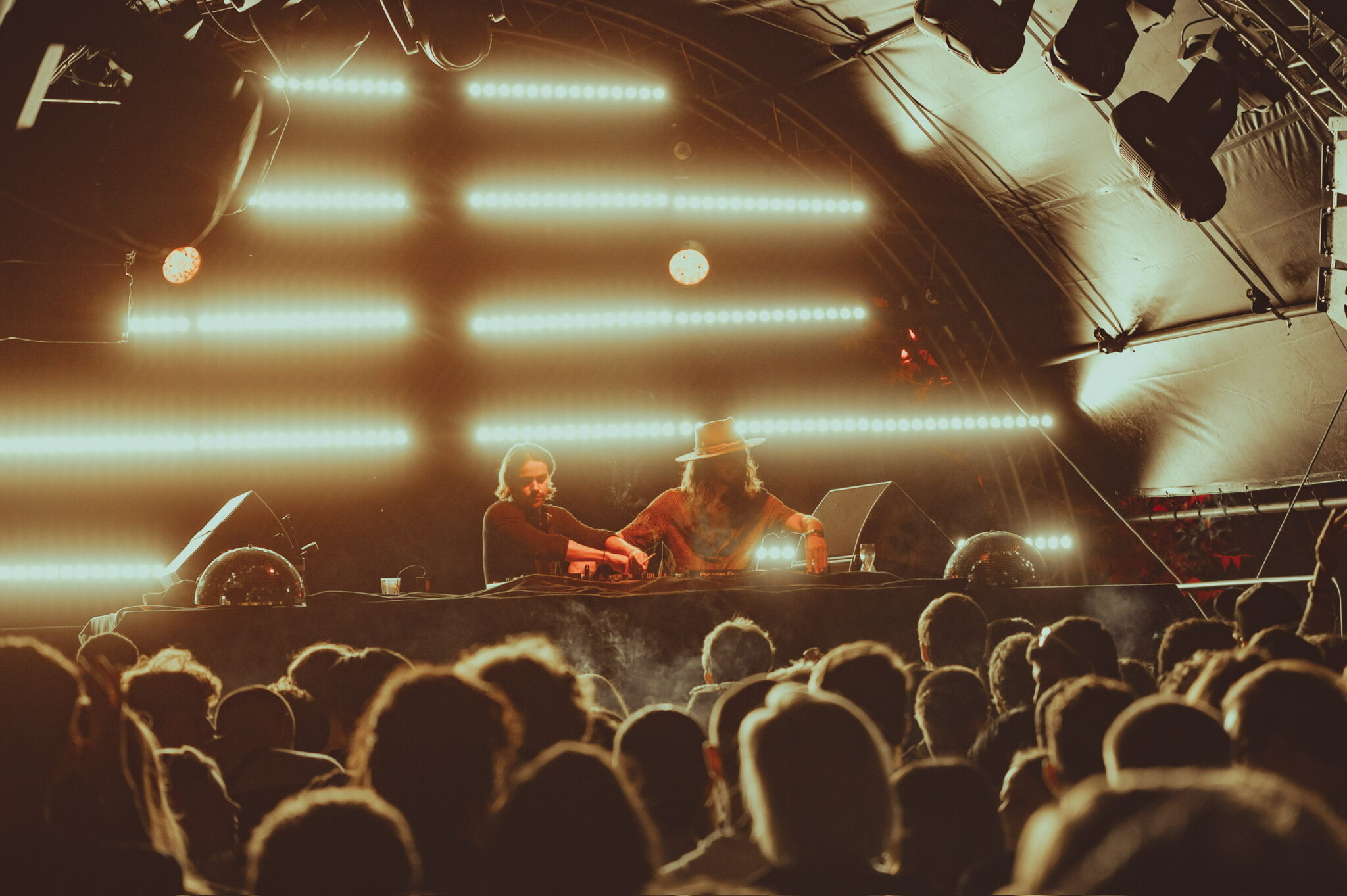
Featured Image By: Clairiere Bakermat