

When Showbiz Meets the Spin: How Casino Culture Shapes Music Videos
Music videos love symbols that land fast. A single prop can hint at power, desire, status, or hunger. Casino imagery does that job with unusual efficiency. A table felt, a deck shuffle, a close-up on chips, these cues signal a world where choices carry weight and confidence becomes performance.
Why does this aesthetic keep returning? Because it mirrors the artist’s public story. The grind happens off-camera, yet the result gets framed as a decisive moment. The casino set turns that moment into a visual shortcut. It communicates tension, spectacle, and the promise of a turn in fortune, all inside a few seconds of screen time.
Platform quality matters when the theme moves from screen to real play
Casino visuals in music videos often feel polished because the environment looks controlled. Clean design, clear rules, and a sense of order sit beneath the chaos of “high stakes” storytelling. That same idea applies when people choose online casino gaming platforms. A high-quality platform supports better decision-making because it keeps the experience predictable where it should be predictable, then leaves the uncertainty to the game itself.
Serious players usually evaluate the basics first. They look at interface clarity, the reliability of payments, and how smoothly games run across devices. They also watch how a platform handles account verification and data security. Those details shape trust more than any flashy theme. For readers who want a reliable place to start, Jackpot City makes the shortlist in many markets because it focuses on usability and recognizable standards, which matter when the goal is a consistent experience.
This focus on quality also connects back to music videos. Directors borrow casino aesthetics because the setting already carries an expectation of structure. The moment the setting looks cheap or confusing, the symbolism collapses. In both cases, the audience reads quality as credibility.
The casino set as a storytelling engine for ambition
Casino culture in music videos rarely serves as decoration. It often functions as narrative machinery. A performer steps into a room that tests composure. The camera follows as attention shifts from the crowd to the table. The plot tightens around a decision, a glance, a stake placed with intent.
That structure maps cleanly onto the mythology of fame. Ambition feels like momentum until it meets pressure. The casino scene externalizes that pressure. It gives ambition a physical stage. The artist can embody control, then crack it. Or keep a steady face while the world spins louder.
Two meanings tend to dominate. First, the casino becomes a stage for social power. Who gets invited, who watches, who deals, who owns the room. Second, it becomes a stage for self-control. The performer plays the role of someone who can manage temptation and still act with precision. This is why casino scenes pair so well with themes of celebrity. Fame has audiences, gatekeepers, and rituals. The casino offers the same ingredients, then compresses them into a single room.
The visual grammar that makes gambling aesthetics feel “iconic”
The best casino-coded videos treat gambling motifs as a design system. Each element says something, and the camera reinforces it. Certain techniques show up again and again because they create tension while keeping the viewer oriented.
Common visual moves include:
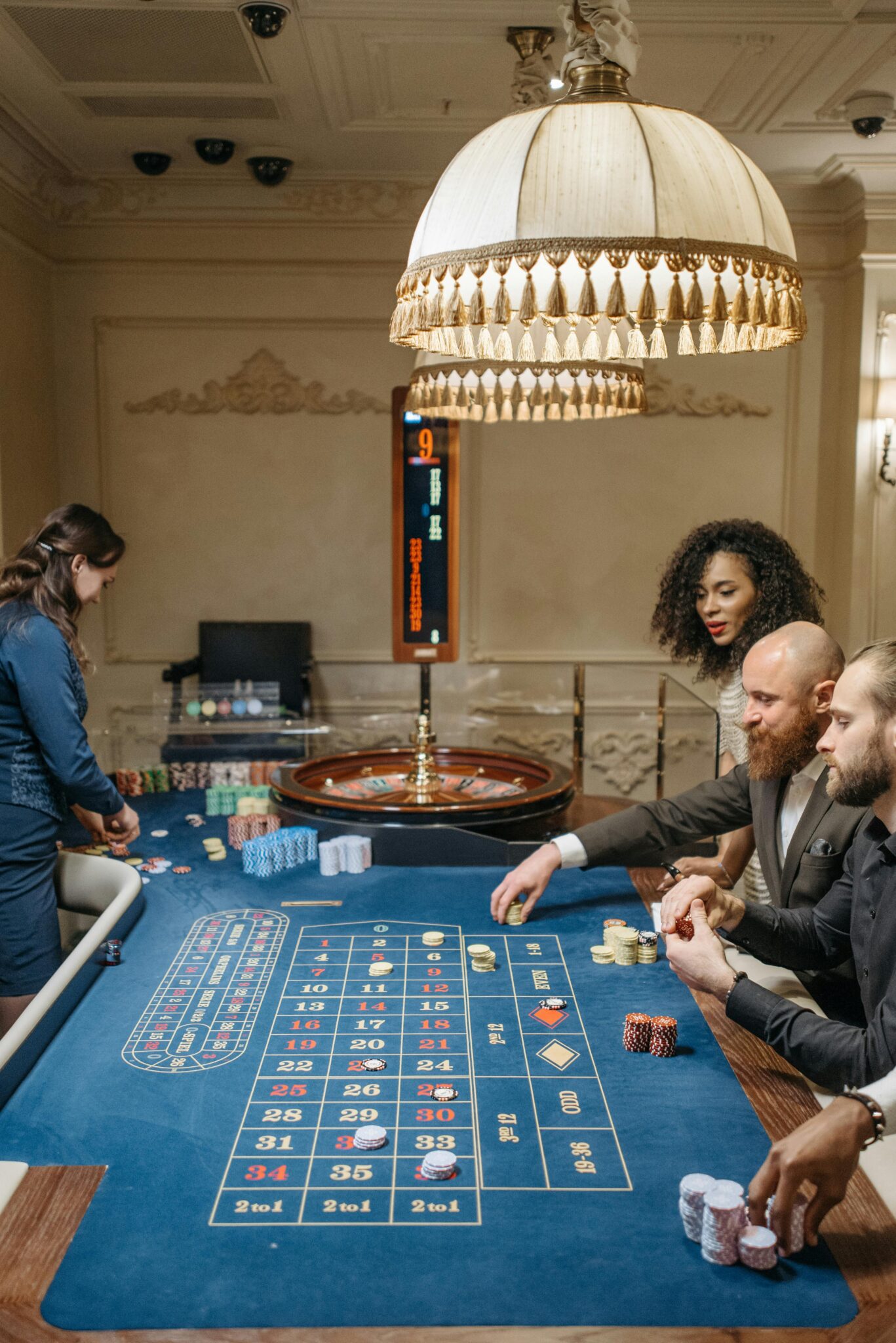
- Hands and micro-actions: shuffling, stacking chips, turning a card. These shots imply skill and intent.
- Surveillance angles: overhead frames, mirror reflections, security-style zooms. They suggest scrutiny and consequence.
- Light as status: neon glow, chandelier spill, spotlight pools on the table. The room itself crowns a winner.
- Sound design cues: chip clicks, card snaps, a roulette whirl blended into the beat. The game becomes percussion.
Notice how these choices turn chance into choreography. A roulette wheel reads like a loop. A card flip becomes a reveal. A stack of chips becomes a measure of ego. Even when the story stays abstract, the viewer feels progression.
Color and wardrobe do similar work. Glossy blacks, metallic accents, and sharp silhouettes suggest a world built for spectacle. Directors often pair that with texture, felt tables, velvet ropes, glassware, because texture signals luxury without requiring exposition. Then they add a visual “tell,” maybe a lucky charm, a marked card, a specific ring. The tell gives the audience something to track, which keeps the symbolism from turning vague.
Cultural symbolism, from old-school glamour to modern performance
The casino market is growing and this culture carries a long shadow in pop imagery. It borrows from classic nightlife, celebrity myth-making, and the idea of the “big moment.” Music videos remix that history to match new genres and new audiences. Some videos lean into vintage glamour with stylized suits and cinematic lighting. Others push into hyper-modern spectacle with LED glare and fast cuts that mimic digital attention.
Either way, the casino motif keeps doing cultural work. It frames success as something earned in public. It frames charisma as a kind of currency. It also frames vulnerability as part of the deal, since every bet implies uncertainty, even when the character projects control.
This is where experienced viewers can read deeper. A casino scene can critique fame rather than celebrate it. The crowd’s gaze can feel predatory. The dealer can feel like an industry gatekeeper. The “win” can read as hollow if the performer looks detached. Many directors use the casino precisely because it can hold these contradictions without spelling them out. The setting already carries tension between glamour and cost, and the video can tilt that tension toward satire, tragedy, or swagger.
For artists, the motif also offers a flexible metaphor for creative risk. A single, a tour, a genre pivot, these feel like commitments made under bright lights. The casino tableau lets the artist dramatize that commitment while keeping the narrative symbolic.