
Mad Radio Tunes Into New York
NEW YORK, NY, Mad Radio, the independent cultural platform born in Medellín and built on the power of community, connection, and sound, has officially opened its first New York location, and fourth worldwide, in Williamsburg. More than a new venue, Mad Radio arrives as a new frequency in the city: a space where music, art, workshops, radio, and neighborhood-driven initiatives coexist under the guiding mantra One City. A Million Frequencies.
Since 2017, Mad Radio has evolved into a living cultural ecosystem with locations in Medellín, Bogotá, and Miami, each connected through a 24/7 online radio network. Every location broadcasts its own channel, featuring curated music, artist sessions, and live transmissions from in-house booths — ensuring that what happens locally resonates on a global scale.
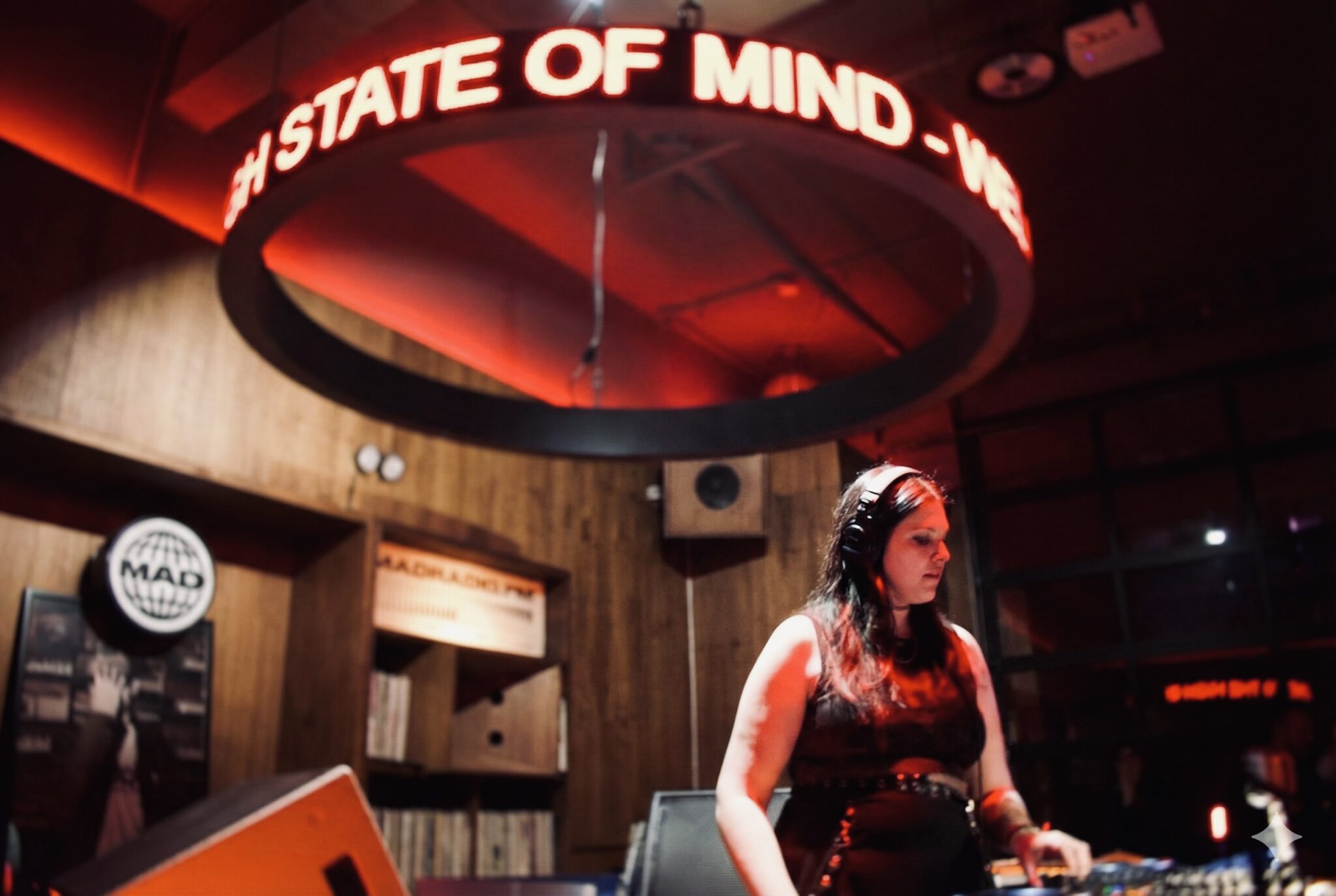
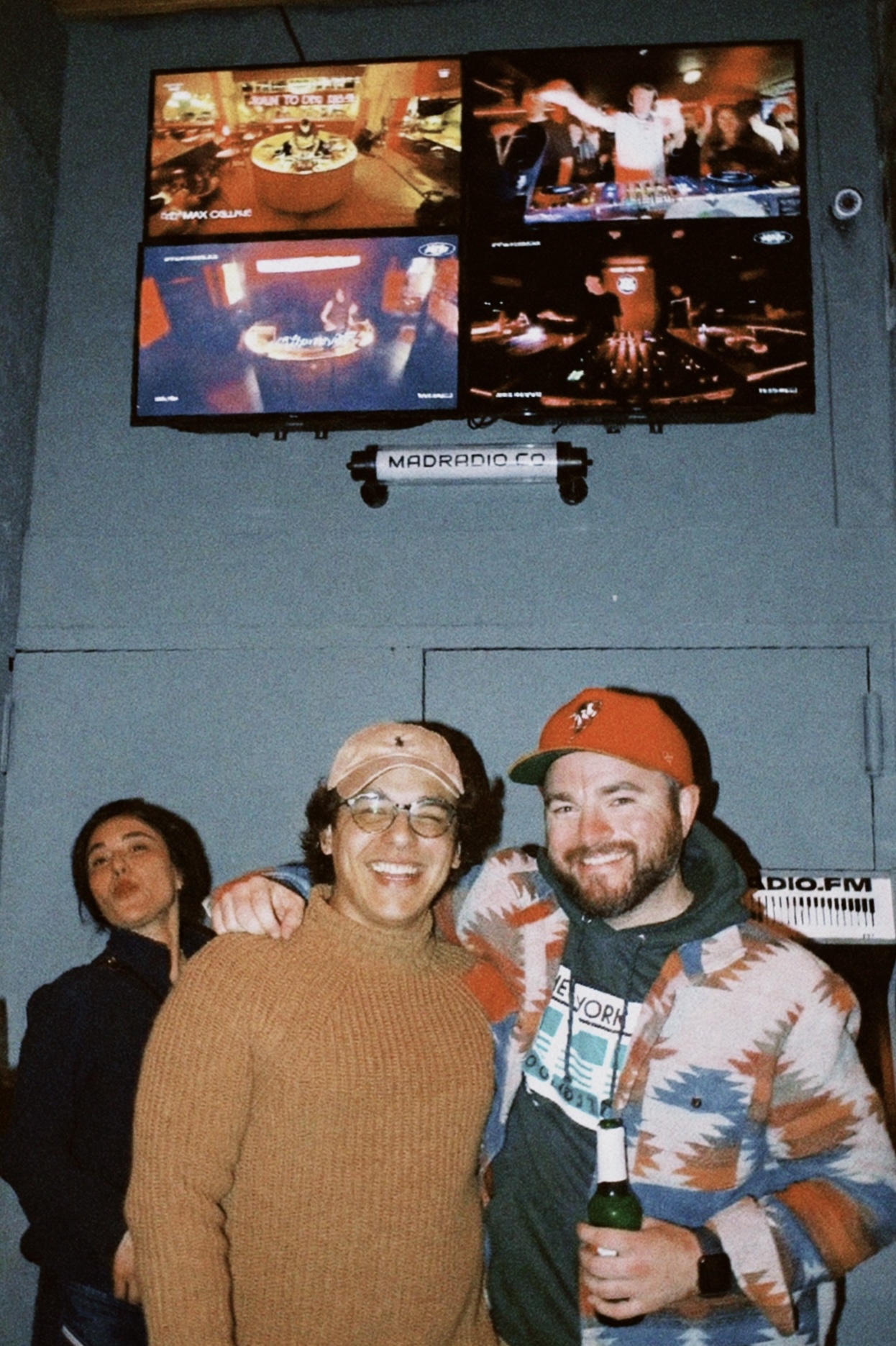
Mad Radio NYC embodies this philosophy in an intentionally intimate 85-person space that seamlessly blends the raw energy of underground nightlife with the warmth of a community hub. Inside, a bar, club, transmission booth, gallery, record store, and creative studio coexist under one roof. Designed for true music lovers, the venue prioritizes authenticity, discovery, and human connection. Programming spans house, electro, indie dance, dark disco, and underground subgenres, supported by a rotating mix of local and international DJs and artists.
As Mad Radio establishes itself in Williamsburg, a neighborhood long associated with underground culture and creative experimentation, founder Leo Herrera emphasizes that the New York expansion is less about scale and more about intention.
“New York has always set the pace for the world,” Herrera says. “It has an intensity, a mix of cultures, styles, and sounds that you feel in your skin. Mad Radio is exactly that: a frequency where everything can coexist without labels. Coming here felt organic.”
That idea of frequency is embedded throughout the space. The design embodies a human-first vision through warm textures, raw finishes, and artistically crafted elements, while sound quality remains at the heart of the experience. A Danley Soundlabs system anchors the room, chosen for its physical presence and fidelity, reinforcing Mad Radio’s commitment to high-quality audio in an era increasingly dominated by visuals.
Programming at Mad Radio NYC will explore the city’s diverse electronic landscape through weekly themed nights, resident artists, and live radio broadcasts. Throughout the season, the venue will also introduce vinyl listening sessions, art showcases, workshops, collaborative content, and New York–focused digital initiatives, including playlists and artist interviews.
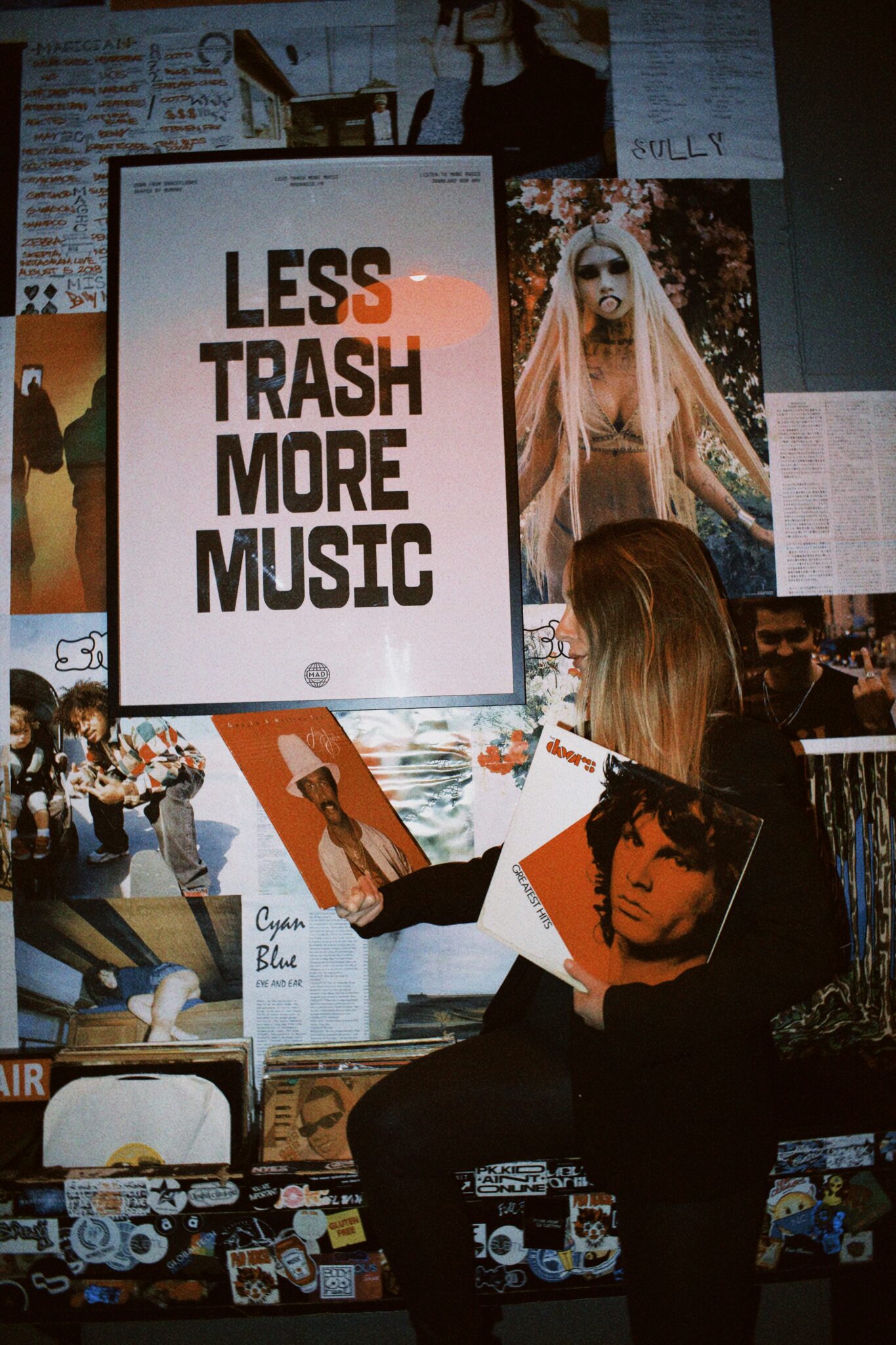
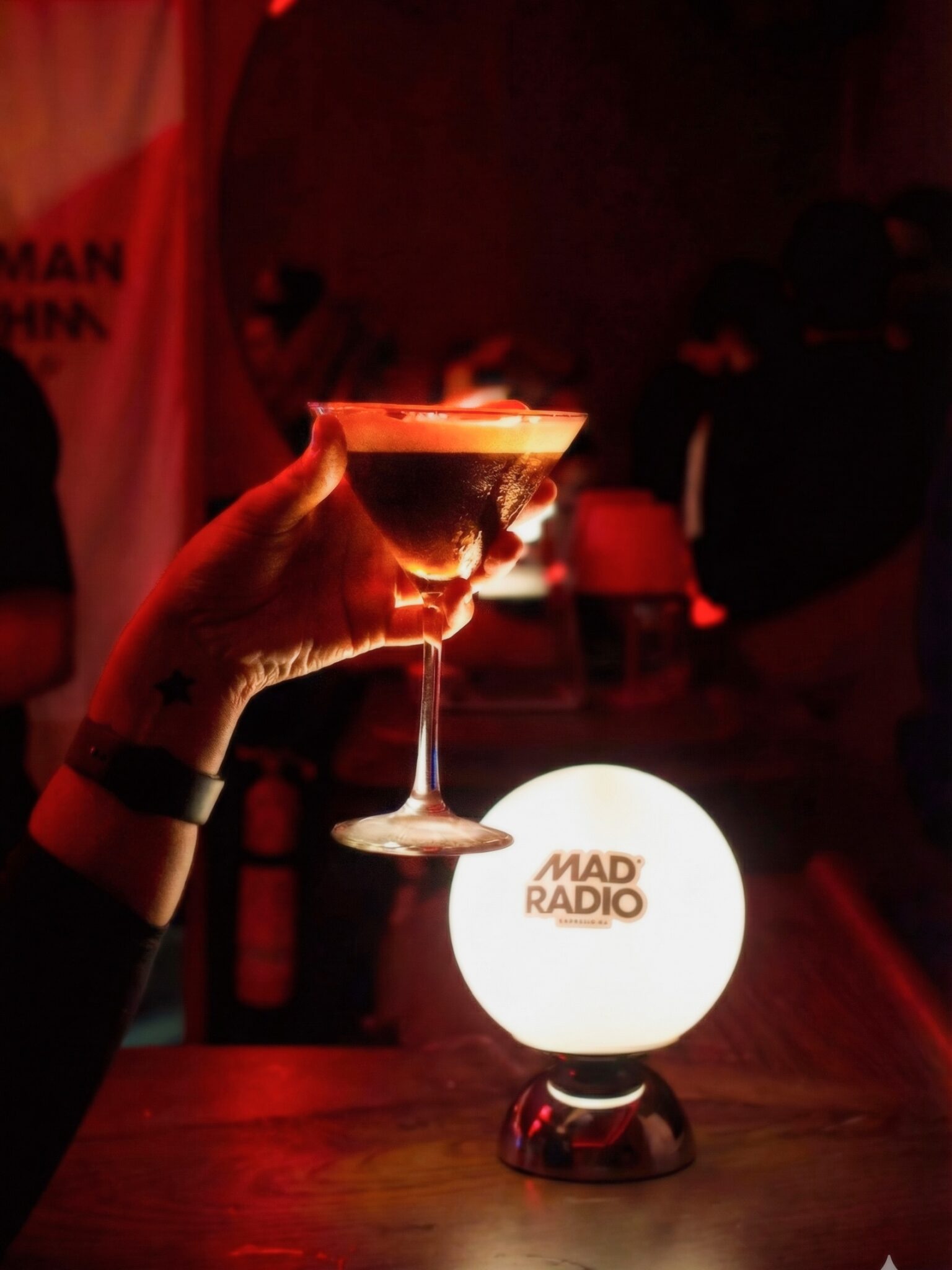
Beyond music, Mad Radio NYC features a focused cocktail program with guest bartender collaborations, along with snacks and small plates designed for late-night gatherings. The Mad Store offers vinyl, printed materials, and exclusive New York merchandise, extending the experience beyond the dance floor.
To better understand how Mad Radio translates its philosophy into physical space, preserves authenticity while expanding globally, and positions itself within New York’s evolving nightlife landscape, we spoke with founder Leo Herrera.
Zoey: Mad Radio describes itself as a “frequency” rather than a venue. How do you translate something as intangible as energy and community into a physical space, especially in a city like New York?
Leo Herrera: We think of frequency as something you feel before you name it. Translating that into a physical space means designing every element with intention: how people enter, how sound moves through the room, how lighting affects the experience, and how conversations unfold. In New York, especially, where everything moves fast, we wanted to create a place that slows you down just enough to actually listen to the music, to each other, to yourself. The design, acoustics, programming, and even the pacing of the night are all tuned to encourage presence. Mad Radio isn’t about spectacle; it’s about resonance and offering something different, a place where energy isn’t manufactured, but cultivated through sound, community, and shared experience.
Zoey: With locations across Bogotá and Miami, what parts of Mad Radio’s DNA were non-negotiable when opening in Williamsburg, and what had to evolve to reflect New York’s underground culture?
Leo Herrera: Mad Radio’s DNA non-negotiables are clear: uncompromising sound quality, artist-led programming, and Mad Radio as a community platform rather than a spectacle. What evolved to reflect New York’s underground culture is the expression of these non-negotiables. New York’s underground culture is historically layered and deeply referential; it values credibility, experimentation, and dialogue across scenes. In Williamsburg, we lean into collaboration with local artists, curators, and collectives, allowing the city to shape the programming organically while ensuring the community/scene is engaged and the backdrop for this experience. The frequency remains global; the voice becomes distinctly New York.
Zoey: The mantra “One City. A Million Frequencies.” feels especially relevant in NYC. How does Mad Radio plan to honor the city’s diversity without flattening its many subcultures?
Leo Herrera: NYC is all about diversity. There was always an intention to reflect this in everything we do and to resist the urge to summarize the city into one category or represent everything all at once. Flattening happens when diversity becomes a marketing checkbox. We’d rather go deep than wide, spotlighting specific scenes, collectives, and voices with intention. Our role isn’t to curate New York into a single narrative, but to offer a platform where multiple narratives can exist side by side, each with its own integrity. It’s not about defining NYC culture, but hosting it. When subcultures are given room to exist on their own terms, diversity becomes lived, not marketed. Celebrating these subcultures and bringing them together to celebrate each one amplifies the frequency that underpins NYC.
Zoey: New York nightlife has gone through major shifts post-pandemic. Where do you see Mad Radio fitting into the current landscape, club, cultural hub, or something entirely new?
Leo Herrera: We see Mad Radio as an in-between space. It’s not a traditional club, and it’s not just a cultural venue; it’s a living broadcast. Post-pandemic, people are seeking experiences that hold meaning and foster connections. Mad Radio continuity, a place you return to, not just pass through. It’s a listening space, a gathering point, and a broadcast platform all at once. Not an escape from the city, but a deeper way of engaging with it. Mad Radio sits at that intersection: a place where you can dance, learn, discover, and participate. It’s nightlife with memory, not just moments.
Zoey: Sound quality is clearly central to the experience. Why was it important to prioritize audio fidelity in an era dominated by visuals and social media moments?
Leo Herrera: Sound is the most honest medium we have and the foundation of the experience. In a time where visuals can be staged, sound is felt in the body. In a time when so much nightlife is optimized for the camera, we wanted to bring the focus back to listening and being present. High-fidelity sound creates intimacy, allowing subtlety, dynamics, and emotional depth to come through. When the sound is right, people stop performing and start listening, creating a space for presence and not performance. That shift changes the entire energy of the room.
Zoey: The space merges radio, club culture, art, and retail under one roof. How do these elements inform one another rather than compete for attention?
Leo Herrera: They all orbit the same core idea: music as culture, not content. They aren’t separate verticals, but extensions of the same ecosystem. Radio provides context, the space offers embodiment, art gives interpretation, and retail creates longevity. Each element reinforces the others, allowing stories to move across formats and moments.
You might hear an artist on the radio, experience them live, see their visual world, and take a piece of that story home. It’s not about doing more, it’s about creating cohesion, a continuous cultural experience rather than fragmented touchpoints.
Zoey: Mad Radio has always emphasized human connection over hype. How do you maintain intimacy and authenticity while expanding globally?
Leo Herrera: By growing through relationships and an understanding of each place we expand to, not replication. Every Mad Radio location is built in conversation with its local community. We don’t replicate scenes from location to location, but listen to the city and the culture we’re entering. Authenticity comes from restraint, knowing when not to scale too fast, when to say no, and when to protect the experience. Intimacy comes from listening to artists, to neighbors, to cultural histories. Expansion only works if the frequency remains human and resonates with the culture and location we’re entering. The moment it becomes formulaic, it loses its soul.
Zoey: Williamsburg has a long history of shaping underground music movements. What excites you most about engaging with the local creative community here?
Leo Herrera: New York is a global hub for creativity and talent, and Williamsburg sits at the intersection of many of those worlds. What excites us is the dialogue and the ideas of those we collaborate with: emerging voices sharing space with established ones, global sounds colliding with local histories. Williamsburg is perfect for this because it’s always been a place where scenes overlap and evolve organically. Mad Radio isn’t here to replace what already exists, but to become a connector, to reflect and celebrate that energy back, a place where scenes overlap, and new conversations begin for a shared experience.
Zoey: From vinyl sessions to workshops and live broadcasts, what kind of artist or music lover do you hope feels most at home at Mad Radio NYC?
Leo Herrera: Mad Radio is for people who are curious about sound, whether they make it, collect it, dance to it, or simply come to listen. It’s for those who value intention and authenticity as much as performance. It’s for the curious ones, the listeners, and those who care less about being seen and more about being moved. For artists, it’s a space to experiment, share ideas, and connect beyond the booth. For music lovers, it’s a place to discover, learn, and experience music without pressure or pretense. What connects everyone is a respect and love for the music itself, staying for the full journey, listening with intention, and being part of a shared moment rather than just passing through.
Zoey: Looking ahead, how do you envision Mad Radio influencing not just nightlife, but the broader cultural dialogue in New York?
Leo Herrera: We see Mad Radio as a long-term cultural contributor and a reference point for intentional culture and music spaces that are thoughtful, inclusive, and culturally meaningful. Beyond nightlife, it’s about how we gather, listen, and build creative communities sustainably, while celebrating each subculture. If Mad Radio contributes anything to New York, it’s a reminder that listening, both to music and to each other, still matters. If people leave Mad Radio more connected, to music, to each other, to the city, then we’re doing our job.
Mad Radio’s arrival in New York is less about opening a venue and more about tuning into the city’s existing pulse. Rooted in intention and guided by sound, the Williamsburg location reflects a belief that meaningful culture begins with listening. As New York continues to evolve, Mad Radio offers a space where artists, audiences, and communities can meet in resonance, reminding us that some of the most powerful moments happen when we slow down and truly hear one another.
Photo Credits: Mad Radio